


Homeless shelters are vital in providing immediate and temporary housing to individuals without a place to stay. These shelters offer more than just a bed for the night; they provide necessities, support services, and a secure environment, acting as a crucial step for individuals facing the challenges of homelessness. We will explore what a homeless shelter is, its services, and its importance in the broader context of emergency shelter services.
What is a Homeless Shelter?
A homeless shelter is designed to offer temporary accommodation to individuals experiencing homelessness. Its primary purpose is to provide immediate, short-term relief by offering a place to sleep, food, and basic hygiene facilities like showers. Many shelters provide additional support services to help individuals transition from homelessness to stable housing.
Shelters vary in type and services provided, ranging from emergency overnight shelters to longer-term facilities that may offer job training, mental health support, and addiction recovery programs. Shelters can be operated by government agencies, non-profit organizations, or faith-based groups, such as Wichita Falls Faith Mission, which focuses on providing Christ-centered programs and services that encourage self-sufficiency.
Emergency Shelter Services: A Lifeline for the Vulnerable
Emergency shelter services are specifically designed for individuals facing a crisis. Whether it’s due to job loss, eviction, domestic violence, or other unforeseen circumstances, emergency shelters offer immediate housing solutions. These shelters are equipped to handle urgent needs, providing a place for individuals to stay for a night or short periods, depending on their situation.
At Wichita Falls Faith Mission, for example, Faith Mission for Men and Faith Refuge for Women and Children both offer emergency shelter services, including safe lodging, meals, and access to case management. These services are crucial for stabilizing an individual’s situation before moving them toward more permanent solutions.
Services Provided in Homeless Shelters
Homeless shelters offer a variety of essential services beyond a bed and meals, which include:
- Safe Accommodation: The primary function of any homeless shelter is to offer a safe place for people to sleep. This includes ensuring the space is secure and comfortable, especially for vulnerable populations such as women, children, and the elderly.
- Food and Meals: Most shelters provide daily meals to ensure guests can access nutritious food, often through community donations and partnerships with local food banks.
- Basic Hygiene: Many shelters offer shower facilities, clean clothing, and personal hygiene products to maintain health and dignity during the stay.
- Case Management and Support Services: Shelters frequently have caseworkers on staff who help guests access services such as mental health care, substance abuse counseling, job training, and housing assistance. These services are designed to help individuals transition out of homelessness.
- Spiritual Guidance and Support: Spiritual support is essential to faith-based shelters like the Wichita Falls Faith Mission. Chapel services and spiritual counseling offer guests hope and encouragement as they work toward self-sufficiency.
The Role of Homeless Shelters in the Community
Homeless shelters serve as the first line of defense against homelessness, helping to reduce the number of people living on the streets or in unsafe conditions. They act as a bridge between homelessness and more stable, long-term housing solutions. For example, many shelters connect residents to transitional housing programs that offer longer-term support, helping them rebuild their lives with job placement assistance and addiction recovery programs.
Wichita Falls Faith Mission takes a holistic approach to homelessness, addressing immediate needs through emergency shelter services and long-term solutions like addiction recovery and employment programs.
Overcoming Challenges in Homeless Shelters
While homeless shelters provide critical services, they face mounting challenges amid unprecedented need. Recent data shows a record-high 653,104 people experienced homelessness on a single night in January 2023—a stark 12.1% increase from the previous year. More concerning, first-time shelter residents surged 23% between 2019 and 2023, indicating a growing crisis.
Overcrowding has become particularly acute in cities with large homeless populations, leading to severe shortages of available beds. While response systems continue adding more temporary and permanent beds annually and serving increasing numbers of people, they need help keeping pace with demand driven by the nationwide affordable housing crisis.
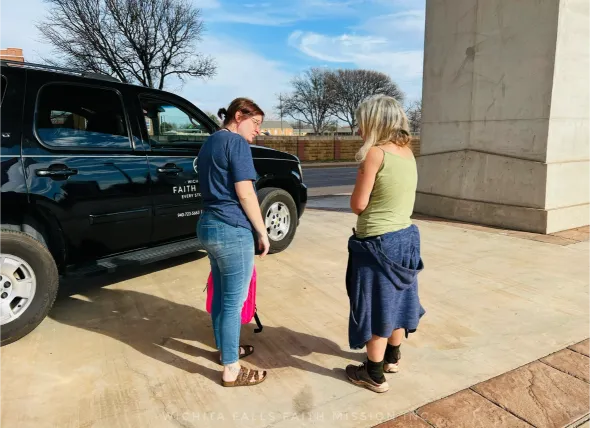
Despite these challenges, shelters remain a critical resource, offering refuge for those in need. Some organizations are developing innovative solutions—for example, Wichita Falls Faith Mission has implemented mobile outreach programs that extend services beyond shelter walls, providing water, food, and transportation to those still on the streets. Such adaptations demonstrate how shelters are evolving to meet growing and changing needs in their communities.
The Importance of Faith-Based Shelters
Faith-based homeless shelters, like Wichita Falls Faith Mission, integrate spiritual care into their services. They believe that faith and community are integral parts of recovery and transformation. These shelters offer physical shelter and emotional and spiritual support, reminding individuals that their lives have value and purpose. Their Christ-centered approach promotes healing and encourages individuals to rediscover their self-worth.
Conclusion: Homeless Shelters as a Beacon of Hope
Homeless shelters provide much-needed relief for individuals and families facing crises. By offering emergency shelter services, support, and resources for long-term stability, shelters act as a crucial lifeline for those experiencing homelessness. Whether run by government, non-profits, or faith-based organizations, their impact is profound and far-reaching.
If you’re interested in supporting homeless shelters like the Wichita Falls Faith Mission, consider donating, volunteering, or spreading the word to ensure these vital services continue to offer hope to those in need.